
The Role of the Church in Community Restoration
Building healthier communities through presence, partnership, service, and purposeful action.
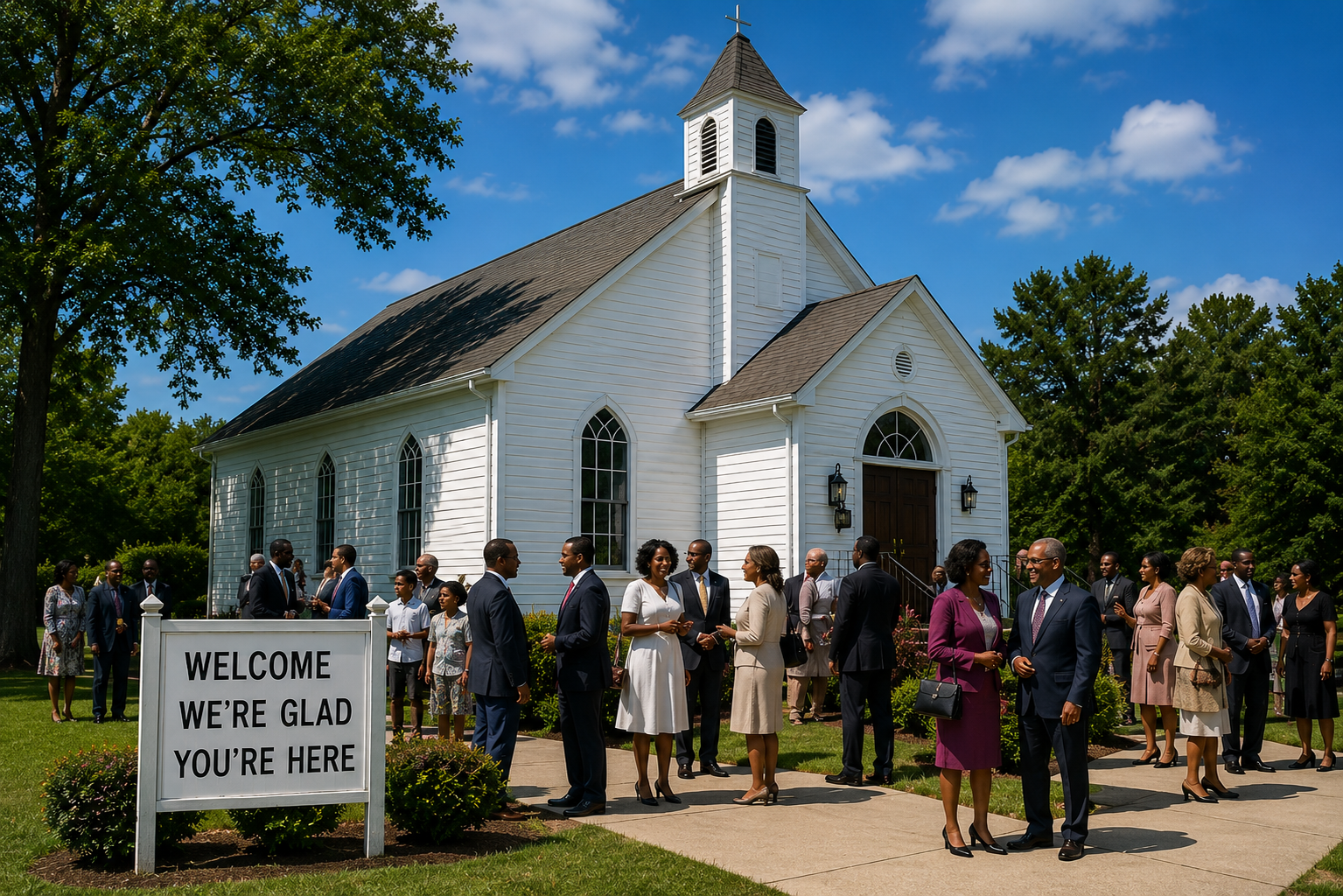
Introduction
The church is more than a place where people gather for worship. It is a community called to embody the love of Christ in practical ways. In neighborhoods experiencing division, poverty, loneliness, conflict, or loss of hope, the church can become a place of listening, healing, service, reconciliation, and renewed possibility.
The Church: God's Agent of Restoration
Restoration begins when the church recognizes that its mission extends beyond its walls. The church is called to reflect God’s character through compassionate presence and faithful action. This does not mean the church can solve every problem alone, but it can become a trustworthy partner in the work of healing.
Building Relationships That Heal
Lasting restoration is relational. Before communities can be transformed, people need to know that they are seen, heard, and valued. Churches can create spaces for honest conversation, prayer, mentoring, reconciliation, and shared responsibility. Relationships build the trust necessary for meaningful change.
Meeting Physical and Spiritual Needs
Community restoration should care for the whole person. Food assistance, practical support, counseling referrals, education, prayer, discipleship, and spiritual encouragement can work together. The church’s service becomes most credible when compassion is expressed both through words and through tangible care.
Empowering Local Leaders
Healthy communities need local leadership. Churches can identify emerging leaders, equip volunteers, mentor young adults, support ministry leaders, and create opportunities for people to use their gifts. Restoration becomes more sustainable when communities are equipped to participate rather than simply receiving help.
A Vision for Lasting Transformation
Restoration takes patience. Meaningful change often happens through many small acts of faithfulness rather than one dramatic event. Churches can contribute to long-term transformation by building partnerships, supporting education, strengthening families, serving consistently, and keeping hope alive when progress is slow.
Conclusion
When the church embraces its role in restoration, communities can experience more than temporary assistance. They can experience renewed relationships, stronger leaders, practical support, and hope. The church becomes a visible expression of the Gospel when it listens well, serves faithfully, builds partnerships, and works patiently for the flourishing of the people around it.